Prop-Bet Harassment — Why the NBPA Wants Tighter Limits
 Available in US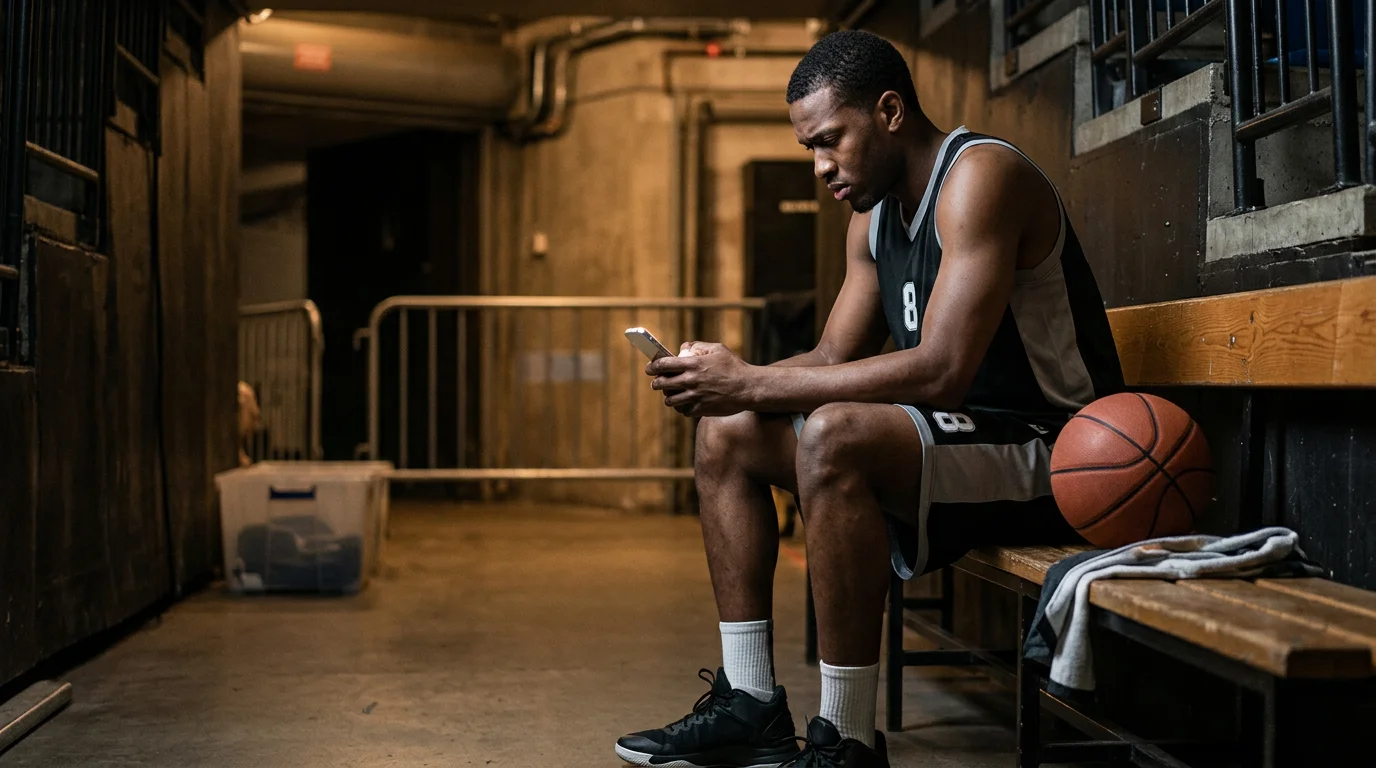
I want to be honest about something I see every NBA season and which the public conversation rarely captures. A player has a quiet game. He misses an over by half a point. Within minutes his social media is full of people telling him exactly what they think of him personally because their parlay died on his shoulders. Sometimes those messages are funny. Often they are not. The pattern has become structural, and it has triggered one of the more consequential interventions in modern player advocacy. Reading the prop landscape without acknowledging this side of it is reading half the picture.
The scale of the problem
The NBPA — the National Basketball Players Association — has been increasingly public about the abuse pipeline that prop betting has created. A spokesperson summarised the union’s position bluntly: “NBA players compete at the highest level with the utmost integrity and are concerned that prop bets have become an increasingly alarming source of player harassment, both online and in person.” That statement was not rhetoric. It was the formal articulation of what players had been telling each other in locker rooms and team meetings for at least three seasons.
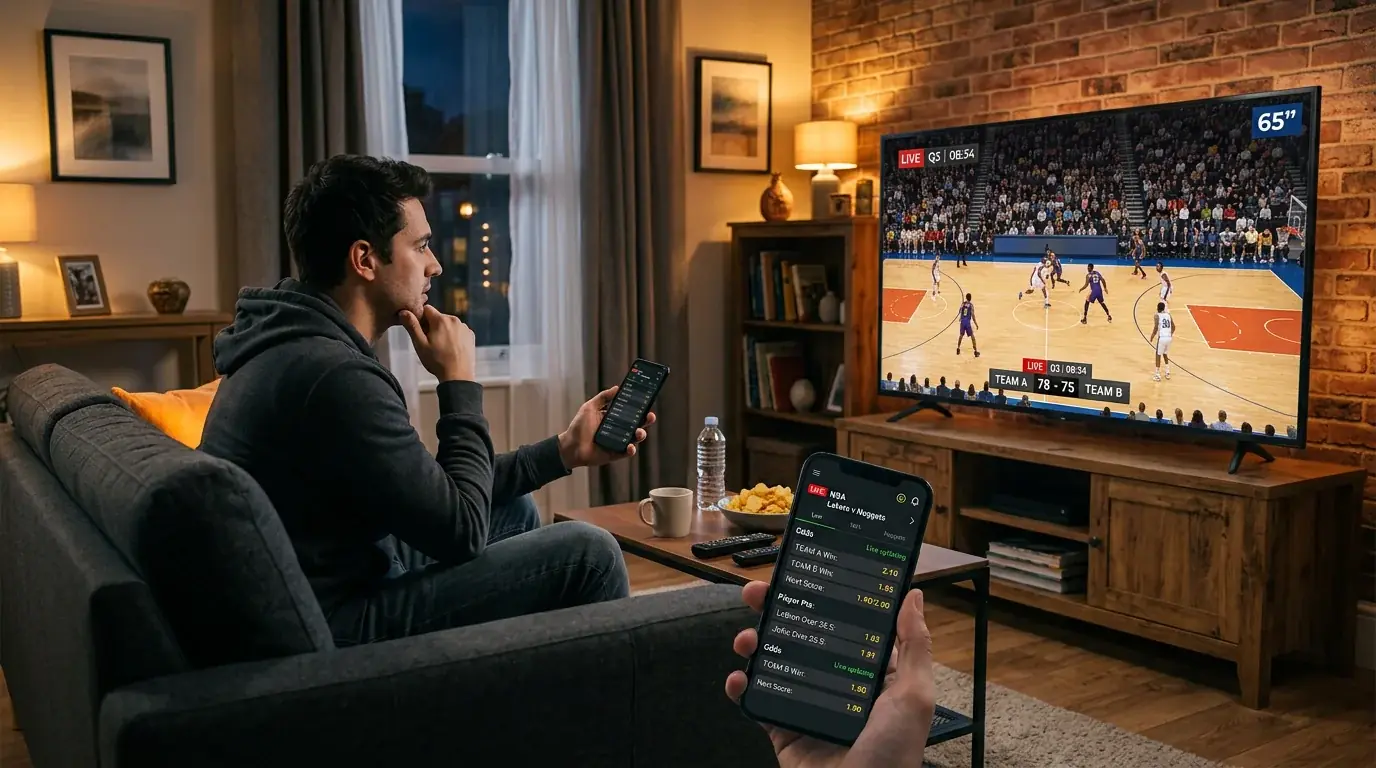
The mechanism is straightforward. A bettor stakes money on a specific stat line. The player misses the line. The bettor — frustrated, often inebriated, sometimes operating from a place of compulsive gambling that goes well beyond the prop in question — directs anger at the player through whatever channel is available. Social media is the dominant channel. Direct messages on Instagram, replies on Twitter and X, comments on Twitch streams, increasingly hostile reactions on YouTube and TikTok content. The volume scales with the player’s profile and with the size of the prop market on him.
The data points underneath the harassment trend are sobering even outside the NBA. A 2025 NCAA SNAP survey found that 51 per cent of Division I men’s basketball players reported social media abuse tied to their performance — a sample of more than 20,000 athletes that translates the qualitative concern into a measurable population issue. The same survey found that nearly 60 per cent of college basketball players said sports gambling contributes to “unfair public scrutiny”, and roughly 1 in 3 men’s basketball players reported direct accusations from fans tied to those fans’ betting losses. NBA players sit on top of a feeder system where the harassment dynamic is already deeply embedded by the time players arrive in the professional league, and the dynamic only intensifies with the higher betting volumes attached to NBA games.
The NBPA position and the league-side response
The NBPA’s framing of the problem has been consistent: prop bets, particularly under-side bets on individual players, create an asymmetric risk where players become individually targeted for outcomes that are partially outside their control. A player can play hard, defend well, set strong screens and contribute to a team win, and still miss an over on a single stat — and a portion of the betting public will treat that miss as a personal failure deserving of personal abuse.
The union has formally requested tighter limits on certain prop categories, working alongside the league in conversations with the major US sportsbooks. The two-way and 10-day contract under-prop removals that took effect ahead of the 2024-25 season were one product of that pressure. The continued advocacy for further restrictions, especially on niche prop categories where individual players become outsized public attention magnets, has been a steady through-line of the NBPA’s public statements through 2025.
The league side has aligned with the NBPA on this issue more cleanly than on some other gambling-related questions. NBA Commissioner Adam Silver has repeatedly framed integrity reform in language that overlaps with the player harassment concern: “It’s too easy to manipulate something which seems otherwise small and inconsequential to the overall score. We’re trying to put in place, working with the betting companies, some additional controls to prevent some of that manipulation.” Silver’s framing emphasises integrity rather than harassment specifically, but the operational consequences — restricting niche markets, removing under bets on certain contract types — track closely with what the NBPA has been requesting.
The intersection became most visible after the October 2025 federal indictments. The cases brought renewed attention to both integrity vulnerabilities and the harassment surface those vulnerabilities create, and the post-October reforms — including the 11:00 to 13:00 injury reporting window and continued operator-side restrictions on niche prop markets — were partly framed in terms of player welfare alongside the more obvious integrity rationale.
What teams and players are doing internally
The team-side and player-side responses are less visible to the public than the league-level statements but matter just as much for understanding how the industry has adapted.
Teams have invested in dedicated player support staff focused on the social media exposure created by betting. Several franchises now operate internal protocols for monitoring abuse directed at their players, escalating threats to law enforcement where appropriate, and providing mental health support to players who become repeated targets. The protocols are not standardised across the league — each team has implemented them differently — but the trend is clear and accelerating.
Player-side responses have ranged from social media abstinence to active engagement. Some players have publicly closed direct message access during game days. Others have used the abuse as a teaching moment, sharing examples of harassment with their followers to highlight the cost of treating prop outcomes as personal grievances. The NBPA has provided members with mental health support resources specifically targeting the harassment pipeline, and several players have spoken on record about the cumulative psychological toll of being targeted for prop misses across consecutive games.
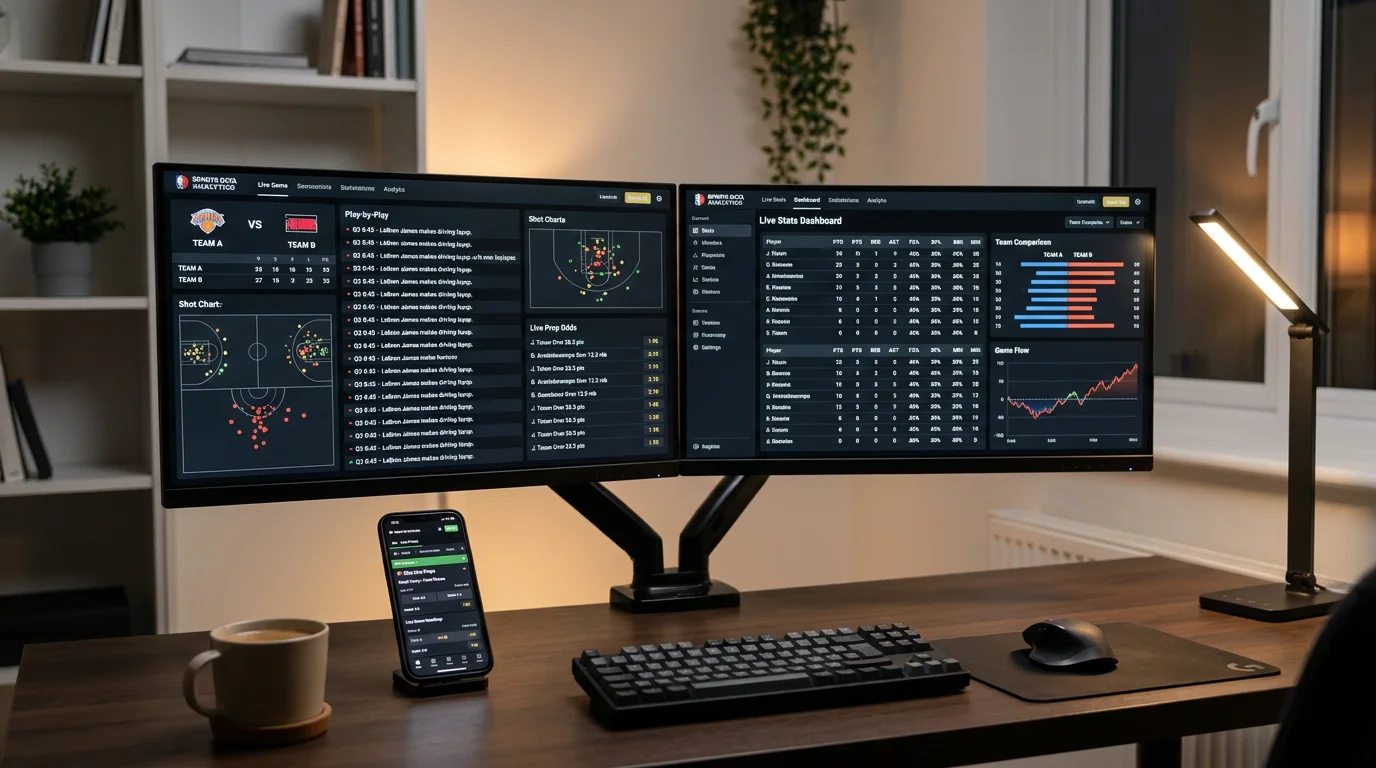
The integrity-monitoring infrastructure also helps players in indirect ways. When a betting pattern crosses from ordinary frustration into coordinated harassment or threat behaviour, the same surveillance systems that flagged the Porter and October 2025 cases can identify the pattern and route it to appropriate authorities. The integration is imperfect, but it is meaningfully better than it was three seasons ago, when the data infrastructure simply did not exist at scale.
The college and professional pipeline matters here too. NCAA President Charlie Baker has been one of the most vocal advocates for reducing prop categories that target individual student-athletes: “Sports betting issues are on the rise across the country, with prop bets continuing to threaten the integrity and competition, and leading to student-athletes and professional athletes getting harassed.” His framing positioned the NCAA’s prop bans not just as competitive integrity protection but as athlete welfare protection, and the same logic has informed how the NBA and the NBPA have framed their own reform requests. The wider context of those NCAA-side reforms is covered in our breakdown of NCAA prop bet bans.
What UK punters can do — without pretending it solves the problem
I want to be direct about this section because I think the public conversation often glosses over it. UK punters who bet NBA props are not personally responsible for the harassment ecosystem. The structural problem is operator-driven, integrity-driven, and culturally driven by a handful of bad actors whose behaviour does not represent the betting public as a whole. But individual behaviour still matters at the margin, and there are concrete things that any punter can do that reduce the harm without sacrificing the entertainment.
The first is to never engage a player after a missed prop. Not on Twitter, not on Instagram, not in the comment section of a YouTube clip, not by replying to a teammate’s post. The instinct to vent on social media after losing a prop is real. The cost of acting on that instinct, scaled across millions of bettors, is the harassment ecosystem itself. Closing the loop on your own behaviour is the smallest possible action and one of the most consequential ones at scale.
The second is to read the responsible gambling messaging that UKGC-licensed bookmakers display on their slips. The messaging is not decorative. The UK regulatory framework requires it because the data on harm is real — minutes, usage and matchup can collectively shift expected stat outcomes by 20 to 30 per cent on any given night, which means even well-researched prop bets carry inherent uncertainty, and that uncertainty becomes psychologically costly when a punter has built emotional momentum around a specific outcome. GambleAware’s research on advertising and marketing concludes bluntly that “gambling operators invest significant resources into online marketing because it works at getting people to gamble more”, and the cumulative effect of that exposure is what produces the population-level harm. The transition CEO of GambleAware framed the call to operators directly: “I would implore those promoting gambling through advertising and marketing to take note of this report, and start to put the necessary actions in place, including clearer health warnings to warn people of the potential risks.” The warnings are calibrated to the risk surface that the harassment pipeline is one downstream consequence of.
The third is to keep prop sizing modest. The harassment instinct intensifies when the financial stake is large enough to feel personally consequential. A punter who has staked an amount they cannot afford to lose on a single under prop has a higher probability of escalating into harassment behaviour than a punter who has staked a casual amount. Bankroll discipline is a player welfare contribution as much as it is a punter survival strategy.
Has the NBPA endorsed removing certain prop markets?
Yes. The NBPA has formally and publicly supported the operator-side removal of under-prop markets on two-way and 10-day contract players, and has continued to advocate for additional restrictions on niche prop categories that disproportionately expose individual players to harassment. The union’s framing centres on the asymmetric risk that prop bets create for individual players whose stat outcomes are partially outside their control.
Are players paid more if their prop is removed from the menu?
No. Player compensation under the NBA collective bargaining agreement is unrelated to the availability of prop markets at sportsbooks. The removal of certain prop categories is a player welfare and integrity measure rather than a financial one, and players do not receive additional compensation when specific markets on them are restricted or removed.
Created by the ”nba Best Player Prop Bets” editorial team.